Planning + Process
Rethinking the Backyard: The ADU Takeover
7 min read

“Full-service interior design” is one of those phrases people nod along to without fully knowing what it means. It sounds comprehensive, maybe expensive, and slightly mysterious. Helpful, probably. But also vague.
Does it mean someone helps choose finishes? Does furniture count? Who is actually managing the moving parts, and at what point are you supposed to stop making decisions?
Most people don’t ask these questions out loud. They just hope it will all somehow come together.
This is where full-service design actually begins.

Full-service interior design is not about doing everything at once. It’s about thinking about everything at the right time.
Instead of making decisions in isolation, a tile here, a sofa there, the space is considered as a whole. How rooms connect. How light moves. How a home is actually lived in once the dust settles.
This approach creates flow, reduces second guessing, and prevents the familiar feeling of realizing something important was overlooked. It also means you are not left carrying the mental load of a hundred small choices. There is a plan. And there is someone holding it together.
Every project begins with a conversation. Not just about style, but about habits. Morning routines. Hosting. Storage. What works now, and what quietly does not.
This phase is about understanding how the space needs to function before deciding how it should look. Space planning and early concepts follow, setting a foundation that supports real life rather than an idealized Pinterest board version of it.
When this part is done well, the rest of the process feels intentional instead of rushed. These early decisions shape everything that follows, so taking the time to get them right is essential.

Once the direction is clear, the details begin to surface. Materials, finishes, lighting, custom elements, and furnishings are selected together, in context, not one by one.
This is where many projects either gain clarity or lose momentum. Full-service design keeps decisions connected so the space evolves naturally. Rooms feel layered and resolved without feeling overly designed.
Nothing is added just to fill space. The goal is balance, spaces that feel layered and complete without feeling overdone.
If construction or renovation is involved, this is where precision matters.
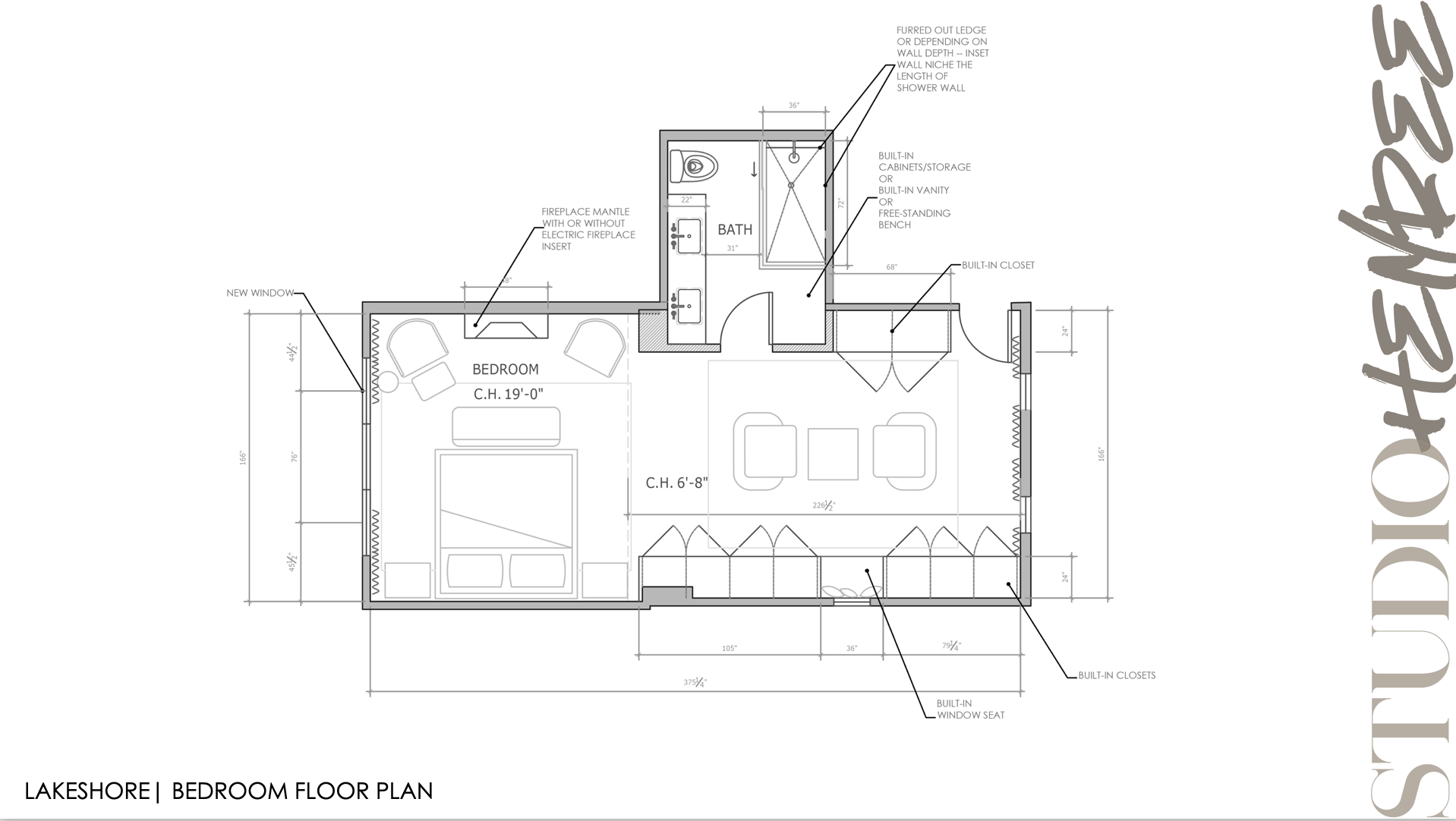
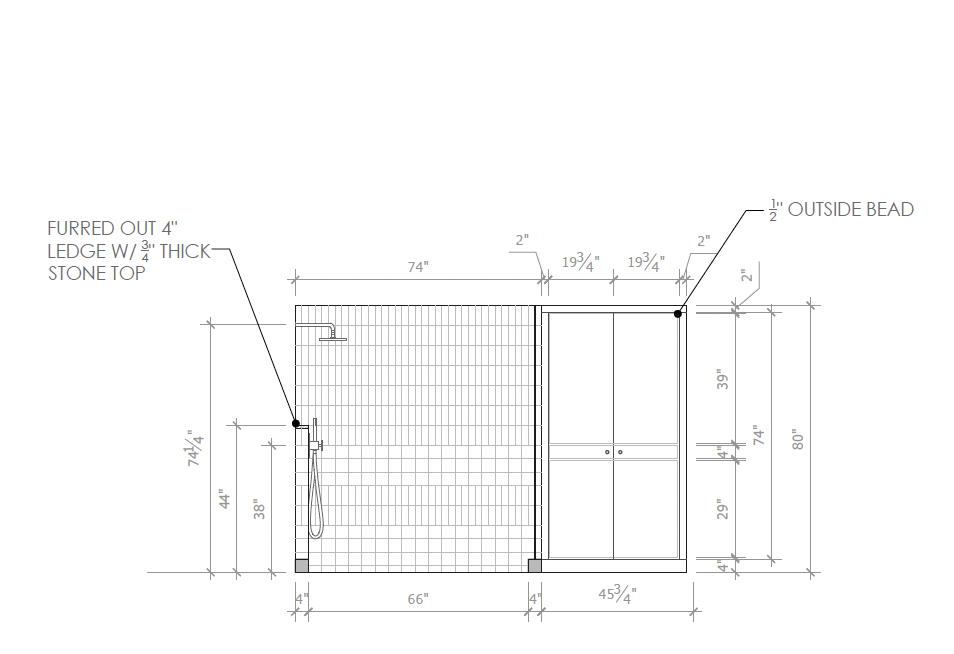
Design intent is translated into drawings, schedules, and specifications that allow the project team to execute accurately. Studio Henree works closely with architects, contractors, and trades, helping ensure the vision is carried through rather than diluted along the way.
This phase is less visible, but it is often the difference between a smooth build and a stressful one.



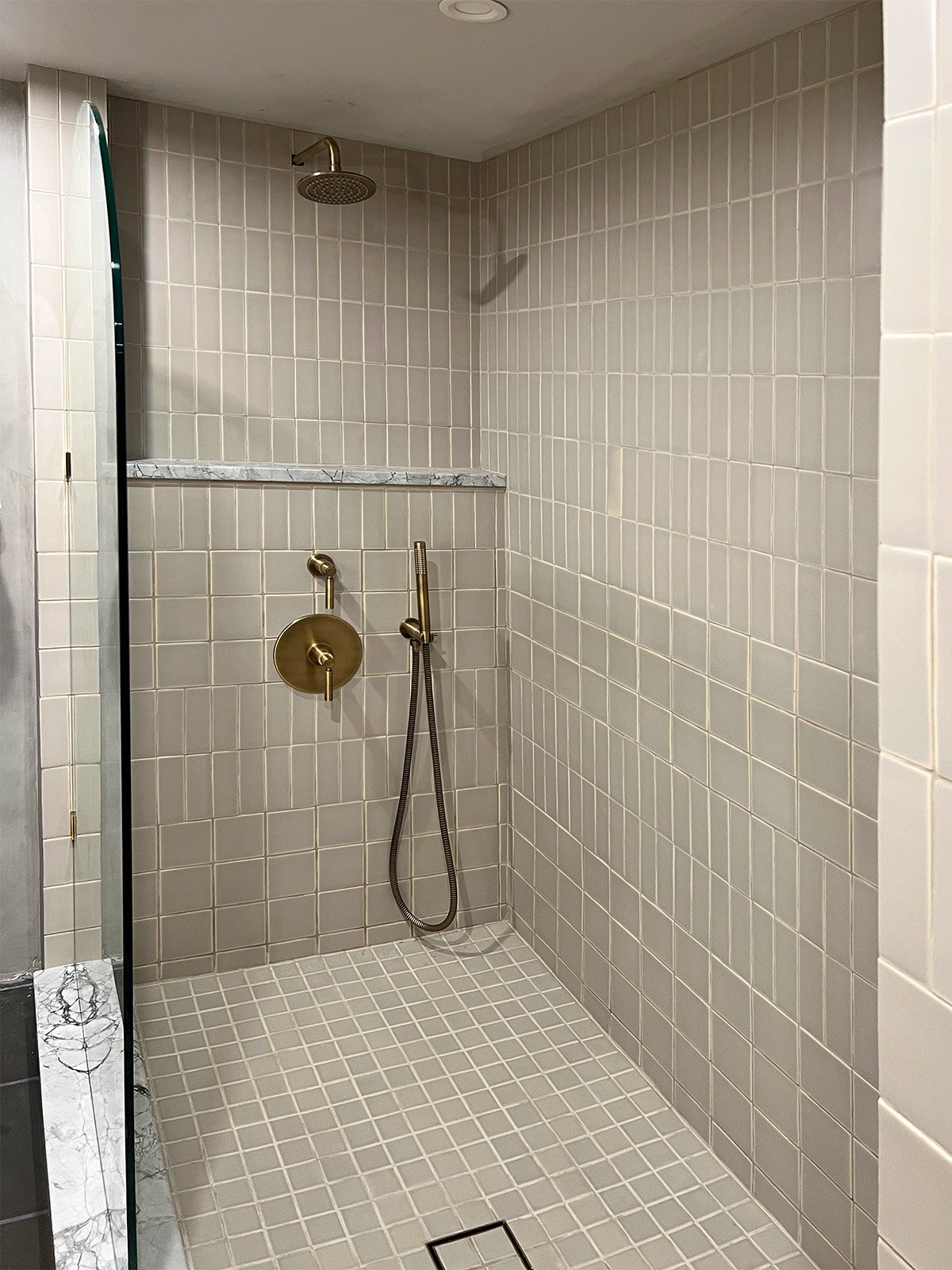
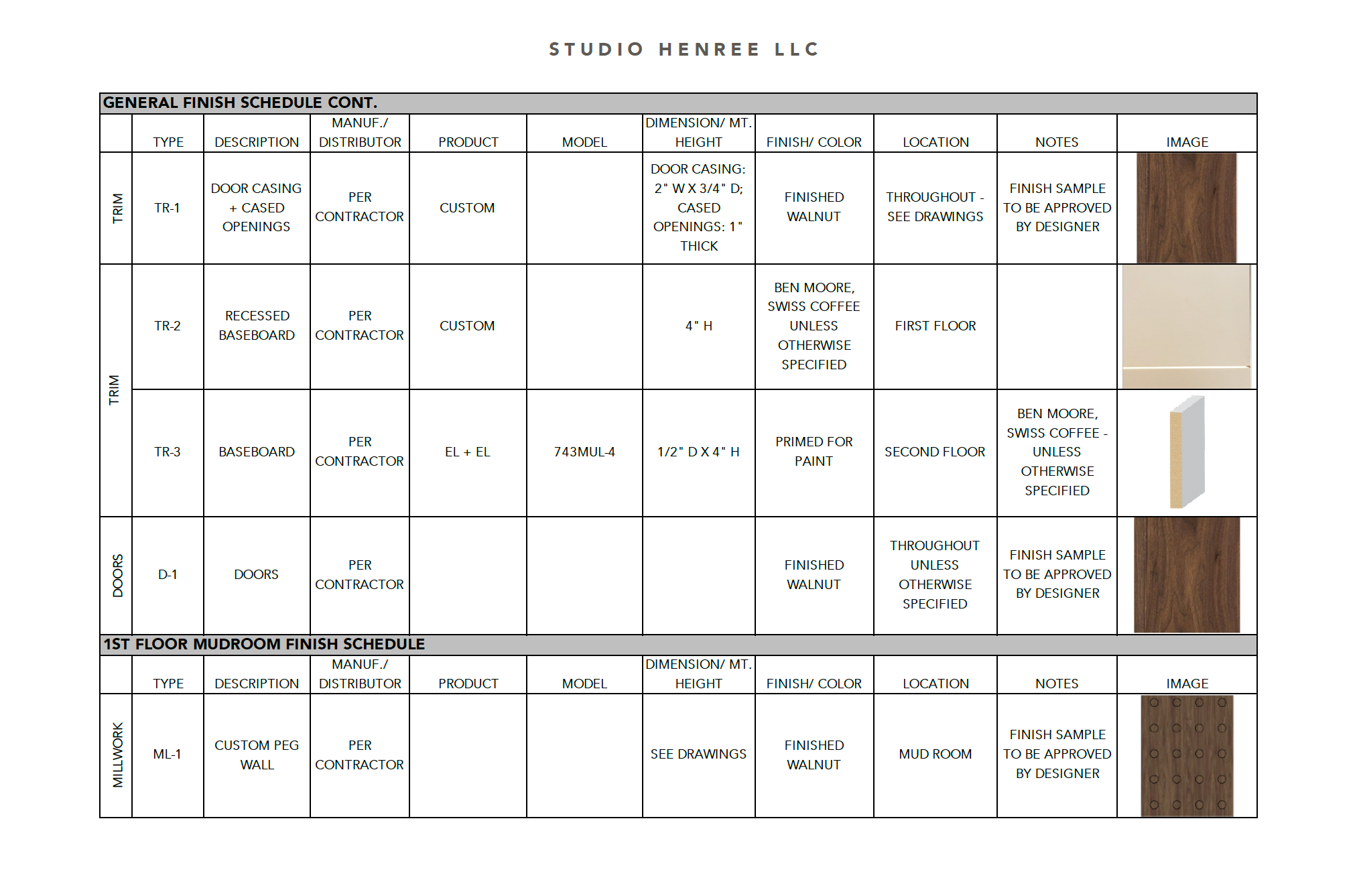
Once selections are finalized, the quiet work begins.
Furniture, lighting, materials, and custom pieces are ordered, tracked, and coordinated through production and delivery. Lead times are monitored. Logistics are managed. Questions are answered before they become problems.
This is the part most people do not realize exists until they are trying to manage it themselves.
Installation is when everything comes together. Furniture is placed. Lighting is installed. The finishing layers are added with care.
Clients walk into a space that feels complete, not staged, not halfway done, but ready to be lived in. There is no guessing what is missing or what comes next.

Not every project includes every phase. Some are streamlined. Others are more involved. The exact scope depends on the size, timeline, and complexity of the work.
What remains consistent is the approach. Thoughtful planning. Clear communication. And a process designed to support both the space and the people who live in it.
Full-service interior design is not about control. It is about clarity.
When decisions are made with intention and timing, the process feels lighter. The outcome feels grounded. And the home reflects not just a design vision, but the life unfolding inside it.

Along with understanding the design process, clients often want a general sense of what to expect financially. While every project is different, having a general framework can Nmake early planning feel far less intimidating and far more grounded.
One of the most common misconceptions is that design fees and construction costs are one and the same. They’re not.
Design fees cover the planning, coordination, documentation, and oversight required to guide a project from concept through completion. Construction costs cover labor, materials, and execution. Separating the two creates clarity and avoids the kind of confusion that tends to show up when everything is bundled together.
For larger remodels or new construction, budgets are often discussed on a price-per-square-foot basis. Not because it’s precise, but because it’s a helpful place to start.
As a general planning range:
A contingency allowance of 10–20% is also recommended. Not because something will go wrong, but because older homes and big changes tend to reveal surprises once work begins. Opening up a wall in a 1950s (or older) home often uncovers things like aging plumbing or outdated wiring that simply weren’t visible before.
For more contained projects, such as updating one or two rooms, costs are often easier to anticipate.
Typical planning ranges include:
Design fees for these projects are scoped separately and tailored to the level of involvement required.
Furniture, lighting, textiles, and styling elements are often a separate portion of the overall investment. These pieces are what bring warmth and balance to a space once construction is complete and can vary widely based on scale and preferences.
This is where a home starts to feel personal rather than newly built.
A handful of items tend to get overlooked in early planning:
None of these are unusual, but they’re much easier to account for when they’re expected.
The ranges above are intended as planning guidelines, not quotes. Final costs depend on scope, selections, site conditions, and timing, all of which are refined as the design process unfolds.
Budget conversations aren’t about limiting what’s possible. They’re about making informed decisions early so the process feels intentional rather than reactive.
When expectations are clear from the beginning, the experience is calmer, the decisions are better, and the outcome reflects it.